
"high-altitude coffee"
5000 article(s) found

The difference between high-altitude coffee trees and high-altitude coffee trees why high-altitude coffee bears very slow and less fruit
Ideal conditions most people think that tropical coffee is native and ideal for hot and humid environments-but this is not always the case. The best coffee actually comes from cooler, milder environments in the higher mountains of the tropics. The most suitable conditions for coffee cultivation include abundant rainfall, an average annual temperature of about 70 degrees Fahrenheit, good drainage and nutritious soil.

Why does high-altitude coffee taste better? introduction to manor varieties
Why is high-altitude coffee better? secondly, how do we know if the coffee we buy is really high-altitude? Coffee growth and reproduction has specific requirements for environmental conditions, sexual preference for calm wind, cool, shaded or semi-shaded environment. In other words, coffee can not be grown and produced in any environment. In other words, coffee production is regional. Coffee producing areas in the world are mostly distributed in

Description of the characteristics and Flavor of High-altitude Coffee beans
Description of the characteristics and flavor of high-altitude coffee beans the production areas of high-altitude coffee beans are hard, dense and have the potential to give full play to their special flavor. The really amazing coffee growing areas are between 4000 and 6000 feet above sea level, and these beans are picked carefully only during the mature season. The rating of Central American coffee is based on the altitude at which the coffee grows.
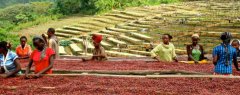
High-altitude coffee beans Guatemala boutique coffee beans
Guatemala, which is famous for its highland topography, has a unique flavor of high-altitude hard beans that perform well in all-inclusive coffee producing areas and produce high-quality coffee with eye-catching performance. Guatemalan coffee has rich flavor changes and strong acidity, and sometimes can feel some changes in spices, from medium to full consistency, high complexity, is the best representative of complex style.

Chongqing highest altitude Cafe-Chaodu Yuzhong High altitude viewing Cafe Chongqing characteristic Cafe
Professional coffee knowledge exchange more coffee bean information please follow the coffee workshop (Wechat official account cafe_style) Chongqing High-altitude Cafe looking forward to Yuzhong High-altitude viewing Caf é: the reason for the recommendation here is converted from a three-bedroom house, opened in the 52nd floor, more than 400m high-altitude coffee shop, the scenery is unique. Shop name: Chaodu Yuzhong high-altitude viewing cafe category

Does boutique coffee mean high-altitude coffee? is boutique coffee good coffee? what's the difference?
Professional coffee knowledge exchange more coffee bean information please follow the coffee workshop (Wechat official account cafe_style) high altitude = boutique coffee? Good coffee? "altitude determines the quality of coffee", which is the most common understanding of many producers and consumers. This definition may be right or wrong. Today we will bring you a new understanding of coffee, altitude and boutique.

The relationship between altitude, variety and coffee flavor? What are the advantages of high-altitude coffee?
Professional coffee knowledge exchange more coffee bean information please pay attention to the coffee workshop (Wechat official account cafe_style) altitude, variety and coffee flavor relationship? What are the advantages of high-altitude coffee? What kind of coffee varieties should be planted in what environment, which involves complex genetic traits and ecosystems, has become the hottest field of coffee science in recent years. French Center for International Agricultural Development

Guatemalan coffee beans with sun-exposed high-altitude volcanic soil
Lima coffee beans are mostly cultivated in the high-altitude volcanic area soil, which belongs to the most advanced Arabica variety. Due to the long ripening period, the beans are medium and dense (Guatemalan coffee beans are graded not on the basis of particle size, but on the basis of shortcomings), and the bean color is dark turquoise. It is characterized by the balance of fragrance, mellow and sweetness. Farahan Plateau
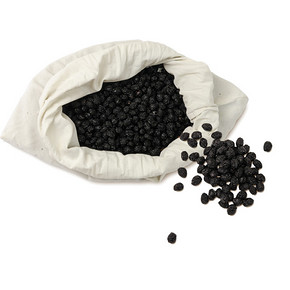
The best Peruvian coffee is grown on the high-altitude slopes of the Andes
Following Cafe (official Wechat account vdailycom) found that Peruvian coffee, which opened a small shop of its own, is very mellow, good-tasting and moderately acidic. The best Peruvian coffee is grown on the high-altitude slopes of the Andes. Production is increasing rapidly and there will be more Peruvian coffee in the UK market. Peruvian coffee, a rising star, is gradually opening up its popularity and entering the world.

What are the differences between high-altitude coffee beans? What is the level of classification? What factors affect the flavor?
Professional coffee knowledge exchange more coffee bean information Please pay attention to the coffee workshop (Wechat official account cafe_style) what are the differences between high-altitude coffee beans? What is the level of classification? Is altitude a factor affecting flavor? The rating of Central American coffee is based on the altitude at which the coffee grows. Mexico, Honduras, Haiti and other countries are graded by height: Strictly High G.

What are the advantages of high-altitude coffee beans? what are the differences in the flavor of different varieties of coffee beans at different elevations?
Introduction of high-altitude coffee varieties generally speaking, with the increase of altitude, the aroma of coffee will become more prominent and unique (see figure). From the temperature and sweetness of Brazilian beans at 3500 feet to the soaring taste of Ethiopian coffee beans above 6000 feet, altitude will give coffee beans a more complex and subtle taste. Coffee beans grown at high elevations are hard.

What are the advantages of high-altitude coffee beans? what's the difference in flavor?
What are the benefits of high-altitude coffee beans? what are the differences in flavor? 3000-6000 feet about 1000 meters to 2000 meters high altitude provides ideal conditions for coffee growth: an average annual frost-free climate of 60-70 degrees Fahrenheit, about 80 inches of moderate rainfall, and abundant sunshine. Coffee beans grow slowly in cold mountain areas, but the slow ripening process makes the sugar content of coffee beans.

The high-altitude manor in Nicaragua, Nicaragua, has a thick texture, clean taste and overall balance.
Boutique coffee (specialty coffee) is also called specialty coffee selection coffee. It refers to coffee made from a small number of raw beans with excellent taste grown in an ideal geographical environment. Depending on the special soil and climatic conditions in which they grow, they have outstanding flavor. After strict selection and classification, this kind of coffee is hard in texture, rich in taste and stylish.

Why do high-altitude coffee beans taste sour? What is the flavor difference between highland coffee and regular coffee
Why do high-altitude coffee beans taste sour? Generally speaking, the more deeply roasted coffee beans, the less sour, or even none, and show another kind of pure coffee characteristics. After roasting, the acid content of raw coffee beans changed greatly, among which the change of volatile acid was the biggest. So today, when we are still in the habit of deep baking, it is very difficult for us to learn from

Guatemala Antigua coffee beans with the characteristic floral and fruity aroma of high-altitude coffee
Flower God Guatemala taste; high altitude coffee unique floral and full fruit sweet roasting degree; medium roasting characteristics; elegant lively acid, clean without impurities, layered, as well as green apple sour, strawberry fruit, jasmine flower, orange peel, green pepper, fruit sour, chocolate sweet, etc., even the tail has a smoky note known. Quite balanced, very mild acidity,

What are the boutique coffees in Ethiopia's high-altitude areas?
Ethiopian coffee is mostly produced in the plateau above 2000 meters above sea level, and the major producing areas are: Djimma; Gunby; Yirgachefe; Sidamo; Harald; Harar; and Harald coffee grows from Daroleb (Darolebu). The plain is 900 meters above sea level to the Sheikh Sheikh (C) in the highlands of eastern Ethiopia.

Introduction of Colombian boutique coffee in high-altitude growing environment
Colombian coffee, the first to think of is the coffee golden triangle, which is called the coffee triangle by the provinces of Caldas, Quindo and Risaralda. It produces the best coffee in the world and is the source of the mellow aroma of Colombian coffee. And Quindo Cordillera is a producing area in central Colombia, in West Cortez in the Andes.

High-altitude very hard bean boutique coffee with unique flavor in Vivetnam fruit producing area of Guatemala
Boutique coffee is fresh coffee. Whether it's food or drink, of course, the fresh the better, and so is boutique coffee. High-quality coffee should keep the coffee beans fresh before making, including the preservation of baked beans, and grind the coffee beans into powder before making, which is also to retain its original and best flavor. And the way of making hand-made coffee is such a way to make high-quality coffee.

The relationship between altitude and coffee flavor, why the coffee flavor in high-altitude coffee producing areas
The tropical region between the Tropic of Cancer and Tropic of Cancer produces the world's truly high-quality Arabica coffee in Central and South America, South Asia and some Pacific islands, central and southern Africa is also the most important coffee growing area in the world. 3000-6000 feet (2000 meters) high altitude provides ideal conditions for coffee growth: an average frost-free climate of 60-70 degrees Fahrenheit (15-21) throughout the year.

Panama Emerald Estate Palmyra has a very rich taste of high-altitude coffee
Specialty coffee is also known as specialty coffee. It refers to coffee made from green beans with excellent taste characteristics grown in a few extremely ideal geographical environments. Depending on the particular soil and climatic conditions in which they are grown, they have outstanding flavors. This type of coffee is carefully selected and graded for its hard texture, rich taste and wind.